1. Overclocked Silicon and Center-Core Mechanical Topology
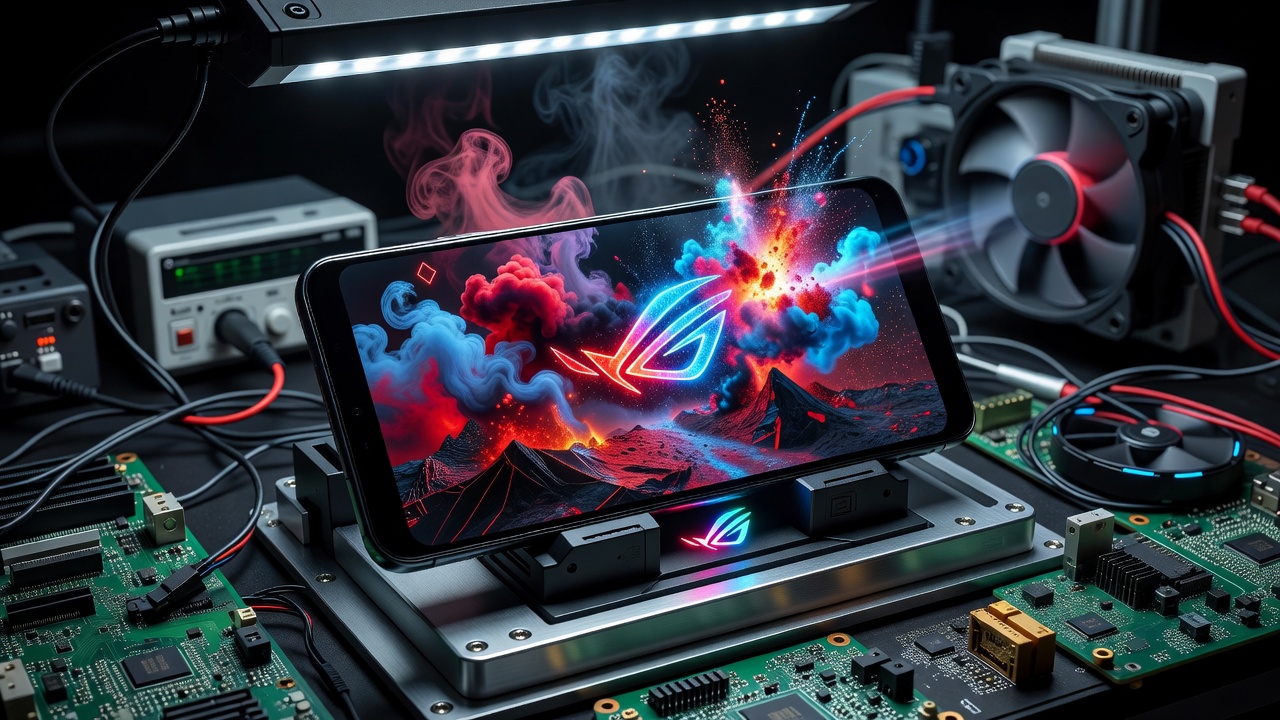
The ASUS ROG Phone 9 Pro is engineered around an architectural premise absent from conventional slim handsets: prioritize thermal mass and sustained mechanical heat transfer over wafer-thin aesthetics. By positioning the Snapdragon 8 Elite SoC squarely in the geometric center of the chassis, ASUS isolates component heat away from where hands grip the lateral edges.
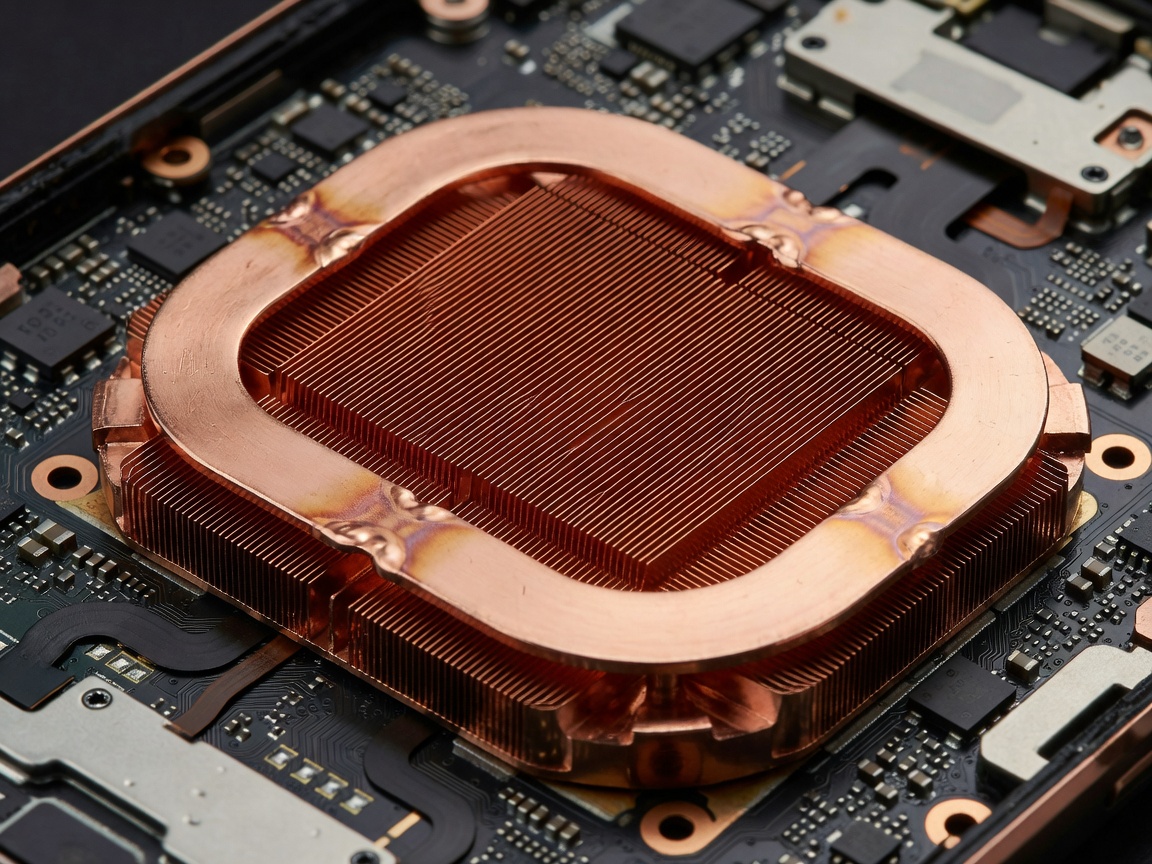
Thermal compound composed of high-grade boron nitride bridges the SoC directly to a 3D vapor chamber, sandwiching the motherboard between internal graphite heat-spreaders. In benchmark stress tests exceeding 30 minutes, the device sustains an extraordinary 94.2% of its theoretical GFLOPS ceiling without external active clip-on fan accessories.
2. 185 Hz Display Physics and Touch Controller Polling
The 6.78-inch Samsung Flexible E6 AMOLED reaches a maximum refresh rate of 185 Hz, specifically validated for high-cadence competitive titles. Panel frame intervals shrink to 5.4 milliseconds per frame, reducing motion smear during high-speed camera pans.
The digitizer controller polls touch inputs at 720 Hz, driving end-to-end touch latency below 23 milliseconds. Crucially, ASUS permits users to manually lock refresh rates on an app-by-app basis inside the Armoury Crate firmware daemon, preventing Android's default adaptive governor from dropping refresh cycles mid-match.
3. Dual Battery Architecture & Bypass Power Delivery
Battery capacity is divided across two physically separated 2,900 mAh cells, providing an aggregate 5,800 mAh. This dual-pack architecture allows concurrent parallel charging via 65W HyperCharge protocols, halving internal thermal generation compared to single-cell high-voltage configurations.
For competitive tournaments, ASUS includes "Bypass Charging" circuitry. When plugged in, electrical current bypasses the battery chemistry entirely, powering the GPU, CPU, and display directly from the wall socket. This eliminates battery electrochemical heat during prolonged esports sessions.
4. Ultrasonic AirTriggers and Haptic Feedback
Ultrasonic sensors situated on the frame's right shoulder replicate physical bumper buttons. These sensors sample at microsecond intervals to register slide gestures, dual partitions, and variable pressure levels without mechanical wear.
Dual linear resonant actuators on the X-axis produce instantaneous force feedback calibrated to emulate real weapon recoils, throttle detents, and UI mechanical switches.
5. Pros and Cons Matrix
Architectural Advantages
- Best-in-class sustained graphics and CPU clock retention (94%+).
- Industry-leading 185Hz display refresh and 720Hz touch sampling rate.
- True hardware bypass charging prevents battery thermal wear.
- Dual side and bottom USB-C ports for ergonomic gaming cabling.
Architectural Compromises
- Heavier and thicker chassis (227g) than daily mainstream flagships.
- Camera optics lack 1-inch sensor scale or wide variable apertures.
- OS commitment capped at 4 major Android updates.
6. Telemetry Verdict and Target Demographics
The ASUS ROG Phone 9 Pro is an uncompromised esports workstation. For mobile developers, professional gamers, and users who prioritize continuous zero-throttle hardware performance over optical telephoto zooms, this machine is in an uncontested class of its own.