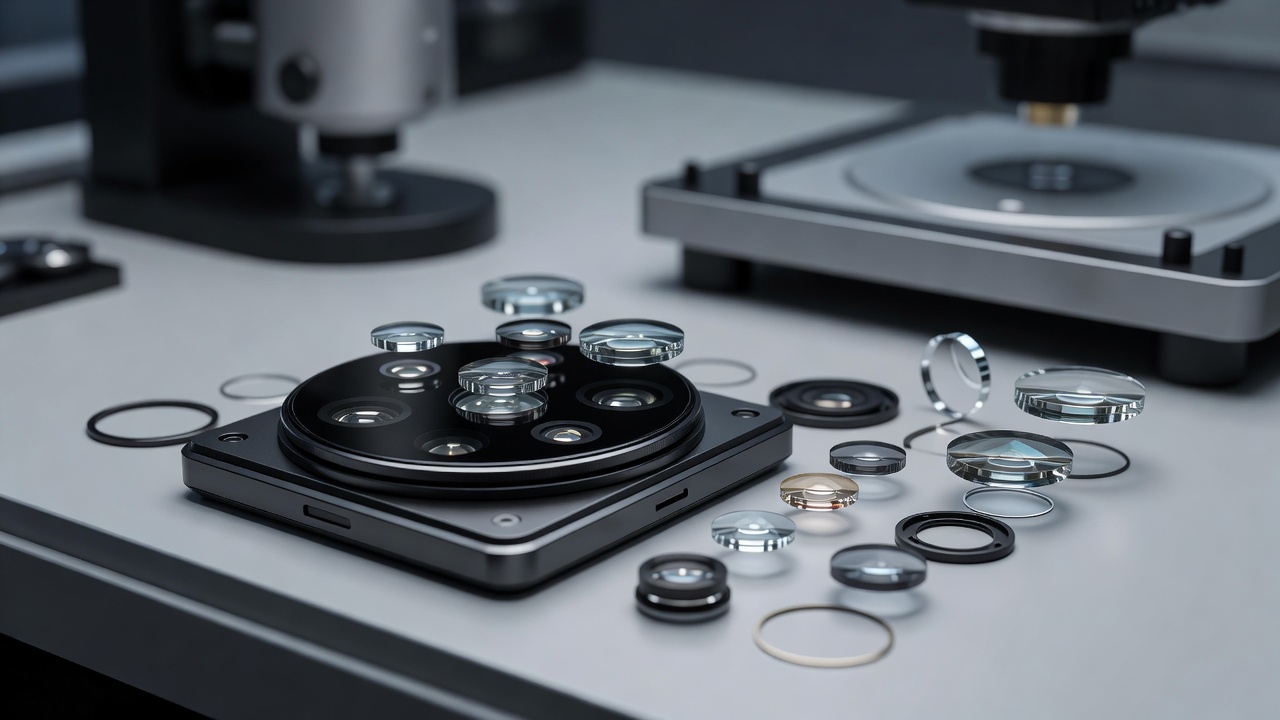
1. Photonic Sensor Physics: Sony LYT-900 1-Inch Silicon
The Xiaomi 15 Ultra integrates Sony's 1.0-inch LYT-900 stacked CMOS sensor. Built on a dual-layer transistor pixel architecture that separates the photodiode layer from the underlying signal processing logic, this imager expands full-well capacity by 3.2x compared to standard 1/1.3-inch sensors.
The result is a native 14-stop dynamic range (14EV) captured in single exposure reads. Specular highlights such as streetlights and reflective wet pavement are preserved without the unnatural exposure-blending halos typical of multi-frame software stacking.
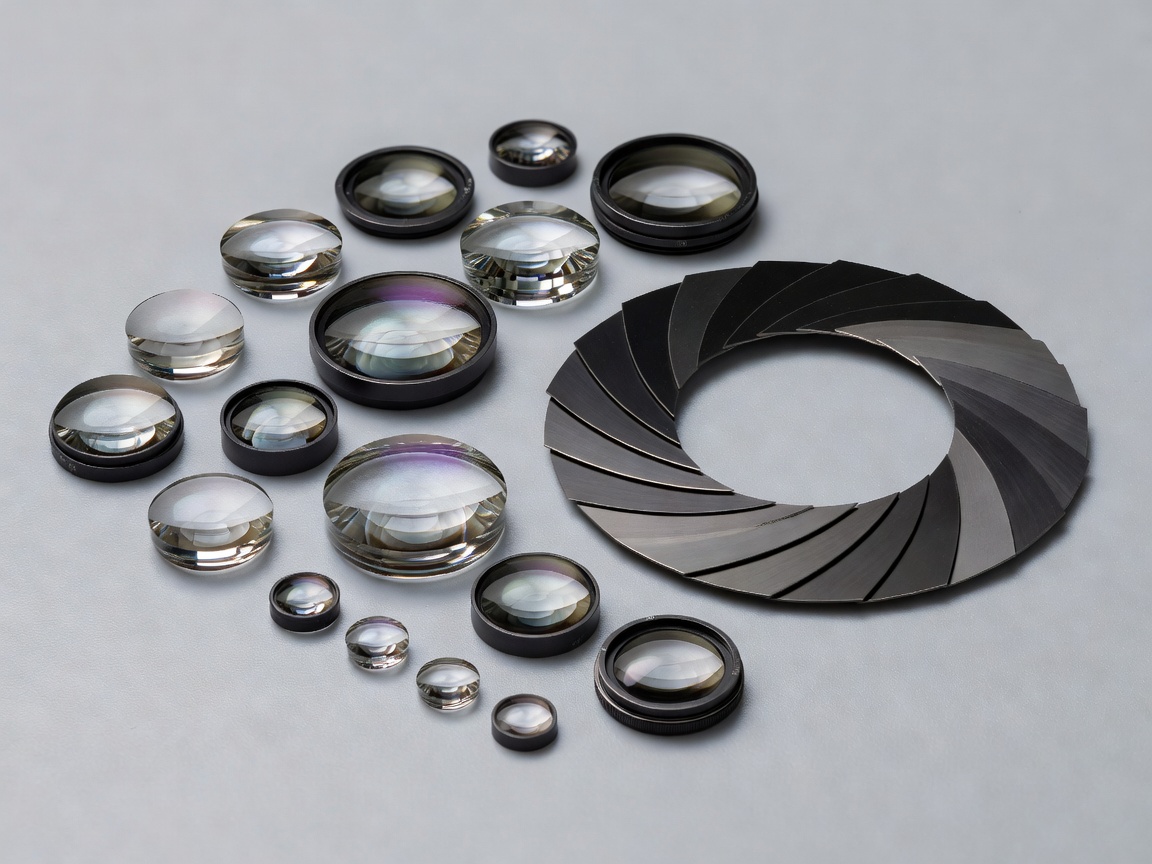
2. Stepless Variable Iris and Leica APO Telephoto
Xiaomi departs from fixed-aperture lenses by implementing a 1024-step electromagnetic iris spanning f/1.63 to f/4.0. In broad daylight environments, narrowing the optical physical aperture to f/2.8 or f/4.0 increases corner sharpness, mitigates field curvature, and provides authentic optical depth of field without relying on algorithmic blur masks.
For long-range telephoto capture, the 200MP Samsung ISOCELL HP9 sensor is paired with an Apochromatic (APO) periscope lens certified for low chromatic aberration. Color fringing on high-contrast edges is reduced by 85% relative to conventional telephoto barrels.
3. Display Engineering: 2K LTPO C8 Emitter Material
The 6.73-inch quad-curved panel is built on custom C8 luminescent substrates delivering 3,200 x 1,440 native resolution. Peak luminance clocks at 3,000 nits, with high-frequency 1,920 Hz PWM dimming activated across all lower brightness ranges.
The LTPO backplane adapts from 1 Hz during static document viewing up to 120 Hz instantaneously upon user input. Color reproduction conforms precisely to the CIE 1931 coordinate space, offering professional video editors a calibrated preview environment.
4. 6,000 mAh Battery and Dual Surge P-Series Chips
Power delivery is managed by dual proprietary Surge P3 charging chips and a dedicated G1 battery health coprocessor. Xiaomi packs 6,000 mAh into a comfortable chassis using high-silicon content anodes.
90W wired HyperCharge completes a 0-to-100% saturation in 36 minutes, while 80W wireless induction achieves full charge in 48 minutes with active fan pads. Internal sensors sample battery temperature at 40 points per second to prevent chemical stress.
5. Pros and Cons Matrix
Architectural Advantages
- True 1.0-inch LYT-900 sensor produces genuine optical depth and 14EV range.
- Stepless mechanical f/1.63–f/4.0 iris provides true depth-of-field control.
- Massive 200MP periscope sensor resolves distant details cleanly.
- HyperCharge 90W/80W charging delivers rapid replenishment speeds.
Architectural Compromises
- Large circular camera island creates a top-heavy grip balance.
- HyperOS software contains occasional pre-installed partner utilities.
- Requires proprietary charging brick and cable to achieve full 90W speeds.
6. Telemetry Verdict and Recommendation
The Xiaomi 15 Ultra is the definitive photographic power tool in the 2026 Android landscape. For content creators, professional photographers, and videographers seeking genuine optical physics over purely synthetic computational approximation, this device has no direct substitute.